Wearing barefoot shoes has numerous benefits for foot health and overall well-being . Here are the most important ones:
1. Improves posture and body alignment
By eliminating the heel drop (zero drop = flat sole), the body aligns more naturally. This helps improve posture , relieve pressure on the lower back, and reduce the risk of muscle imbalances.
2. Strengthens the muscles of the foot
Walking barefoot puts your feet to work more actively, which strengthens muscles, tendons, and ligaments. Over time, this can prevent injuries and increase foot strength.
3. Greater body awareness and balance
The thin sole of barefoot shoes improves proprioception, which is the ability to sense the ground and adjust posture in real time. This translates into better balance, stability, and coordination when walking, running, or standing.
4. Prevention of deformities
Prolonged use of narrow, rigid shoes can cause deformities such as bunions, claw toes, or neuromas. Barefoot walking, by allowing the toes to spread, helps prevent or even reverse some of these conditions.
5. Reduction of impact on joints
Barefoot walking promotes a more natural gait (with support on the forefoot or midfoot), which reduces the impact on knees, hips and spine when walking or running.
All these benefits of wearing barefoot shoes are the same as those you receive when walking barefoot. The foot is designed to walk barefoot; it just needs footwear that protects it but allows it to move with complete freedom, as if it weren't wearing shoes.
How to start using barefoot footwear and make safe transition ?
If you want to start using barefoot shoes and experience all these benefits for your feet and body, here are some tips. For a safe barefoot transition, it's important to do so gradually.
- Start by using them at home or for short walks.
- Listen to your body and allow your feet to adapt gradually.
- Increase usage time gradually.
- Walk barefoot a lot on different surfaces so that your feet get used to feeling where they are stepping.
Some people won't need a long transition; if you're used to walking barefoot, your transition will be quick. But if you've typically worn a lot of conventional shoes with heels, thick cushioned soles, or a high drop, your feet will need more time to adapt to barefoot footwear.
Inside conventional shoes, your feet are dormant and need to be activated and start moving to strengthen. Barefoot shoes will offer you well-being and comfort . Once you try them, there's no going back; your feet will only want to wear loose, flexible shoes that don't constrict and allow them to move freely.
Where to buy barefoot shoes?
On our website you'll find barefoot shoes from first steps up to size 42. A collection of eco-friendly shoes for boys and girls. It naturally supports the needs of each stage of their development and growth, as if they were walking barefoot. And a collection of barefoot footwear for adults , which accompanies your steps, combining health and fashion.


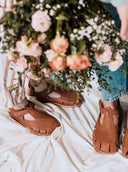
5 benefits of barefoot footwear that no one tells you about
Wearing barefoot shoes has numerous benefits for foot health and overall well-being . Here are the most important ones:
1. Improves posture and body alignment
By eliminating the heel drop (zero drop = flat sole), the body aligns more naturally. This helps improve posture , relieve pressure on the lower back, and reduce the risk of muscle imbalances.
2. Strengthens the muscles of the foot
Walking barefoot puts your feet to work more actively, which strengthens muscles, tendons, and ligaments. Over time, this can prevent injuries and increase foot strength.
3. Greater body awareness and balance
The thin sole of barefoot shoes improves proprioception, which is the ability to sense the ground and adjust posture in real time. This translates into better balance, stability, and coordination when walking, running, or standing.
4. Prevention of deformities
Prolonged use of narrow, rigid shoes can cause deformities such as bunions, claw toes, or neuromas. Barefoot walking, by allowing the toes to spread, helps prevent or even reverse some of these conditions.
5. Reduction of impact on joints
Barefoot walking promotes a more natural gait (with support on the forefoot or midfoot), which reduces the impact on knees, hips and spine when walking or running.
All these benefits of wearing barefoot shoes are the same as those you receive when walking barefoot. The foot is designed to walk barefoot; it just needs footwear that protects it but allows it to move with complete freedom, as if it weren't wearing shoes.
How to start using barefoot footwear and make safe transition ?
If you want to start using barefoot shoes and experience all these benefits for your feet and body, here are some tips. For a safe barefoot transition, it's important to do so gradually.
Some people won't need a long transition; if you're used to walking barefoot, your transition will be quick. But if you've typically worn a lot of conventional shoes with heels, thick cushioned soles, or a high drop, your feet will need more time to adapt to barefoot footwear.
Inside conventional shoes, your feet are dormant and need to be activated and start moving to strengthen. Barefoot shoes will offer you well-being and comfort . Once you try them, there's no going back; your feet will only want to wear loose, flexible shoes that don't constrict and allow them to move freely.
Where to buy barefoot shoes?
On our website you'll find barefoot shoes from first steps up to size 42. A collection of eco-friendly shoes for boys and girls. It naturally supports the needs of each stage of their development and growth, as if they were walking barefoot. And a collection of barefoot footwear for adults , which accompanies your steps, combining health and fashion.